-
 8613931787312
 -
 Botou Industrial Zone on the east side of National Highway 104, Botou City, Hebei Province


CNC Steel Pipe Bending Machine: Precision & Efficiency for Industry
CNC Steel Pipe Bending Machine: Precision Meets Efficiency in Industrial Settings
Having spent a good chunk of my career amidst industrial equipment and manufacturing floors, I can tell you that finding the right CNC steel pipe bending machine often feels like searching for a balance between power, accuracy, and reliability. These machines aren’t just tools; they’re almost like the unsung heroes behind many infrastructure projects, automotive components, and heavy machinery frameworks.
Over the years, I've watched the evolution of pipe bending tech, and frankly, the introduction of CNC control has been a massive leap. Where manual setups were prone to inconsistencies, a CNC steel pipe bending machine lets you dial in angles and bending radii with surgical precision, saving both time and metal waste — not to mention the headaches of rework.
Oddly enough, while many engineers emphasize the specs, it feels like the real magic is in the machine's adaptability. I once visited a fabrication shop where their CNC steel pipe bender handled everything—from delicate aluminium pipes for HVAC systems to thick steel tubing for heavy-duty vehicles—without skipping a beat. The ability to switch programs and store custom bending sequences has truly changed the game.
Key Specifications of a Typical CNC Steel Pipe Bending Machine
| Specification | Details |
|---|---|
| Pipe Diameter Range | 20mm - 150mm |
| Wall Thickness Capacity | Up to 8mm (steel) |
| Max Bending Radius | 500mm |
| Bending Angle Range | 0° to 180° (programmable) |
| Control System | CNC with touchscreen interface |
| Power Supply | 220V / 380V, 3-phase |
| Machine Weight | Approx. 1800 kg |
Vendor Comparison: Choosing the Right CNC Steel Pipe Bending Machine Supplier
| Feature | XDR Machinery | Competitor A | Competitor B |
|---|---|---|---|
| CNC Control Precision | ±0.1° | ±0.3° | ±0.2° |
| Customization Options | High (software & tooling) | Medium | Low |
| After-sales Support | 24/7 Customer Service | Business Hours Only | Limited |
| Lead Time | 4-6 weeks | 8-10 weeks | 6-8 weeks |
| Pricing | Competitive | Higher | Similar |
What’s often overlooked, however, is the quality of materials used in the machine’s die sets and bending arms. I’ve seen machines with solid forged steel tooling last years under heavy continuous loads — definitely a selling point if you ask me. Less downtime means more uptime, and in real terms, that’s the difference between profit and costly delays.
Many colleagues highlight the value of a well-thought-out user interface on the CNC control panel. If it’s too complex, operators waste valuable time learning to navigate it — which, ironically, defeats the purpose of automation. I noticed that modern machines, especially those from reputable vendors like XDR Machinery, often sport touchscreen panels with intuitive menus. This kind of attention to operator experience truly stands out.
Before I wrap up, here’s a little story: a small workshop I know upgraded recently to a versatile CNC pipe bender. They used to handle only small batches with manual benders and struggled with consistency. Post-upgrade, not only did their throughput double, but they also won contracts for specialty bent components requiring exact tolerances — something their previous manual setup couldn’t deliver. It’s always rewarding to see how technology empowers smaller players, isn’t it?
So if you’re in the market for a CNC steel pipe bending machine, think about what matters most to your operation: precision, flexibility, support, or turnaround time — or honestly, some cocktail of all four. And if you ask me, investing in trusted technology means fewer hiccups down the road.
Reflecting on this, it’s clear that in pipe bending—and really all manufacturing—the right machine can make all the difference between a costly error and a seamless run.
References:
- Industry Standards for Pipe Bending Machinery - ISO 9001 Specs
- Manufacturer Brochures and Technical Data Sheets - XDR Machinery
- Interviews with Manufacturing Engineers at Fabrication Facilities, 2023
-
Guide to Spartan Steel Bending Machine Price and Cost FactorsNewsApr.16,2026
-
Analyzing the Spartan Bending Machine Price and Buyer GuideNewsApr.09,2026
-
Understanding Small Bending Machine Price and Choosing the Right OptionNewsApr.07,2026
-
Comprehensive Guide to Sheet Metal Bending Machine Price and SelectionNewsApr.04,2026
-
Comprehensive Guide to Roofing Sheet Bending Machine Price and SelectionNewsMar.31,2026
-
Comprehensive Guide to Profile Bending Machine Price and SelectionNewsMar.28,2026
-
Comprehensive Guide to Press Bending Machine Price and Purchasing ConsiderationsNewsMar.26,2026
-
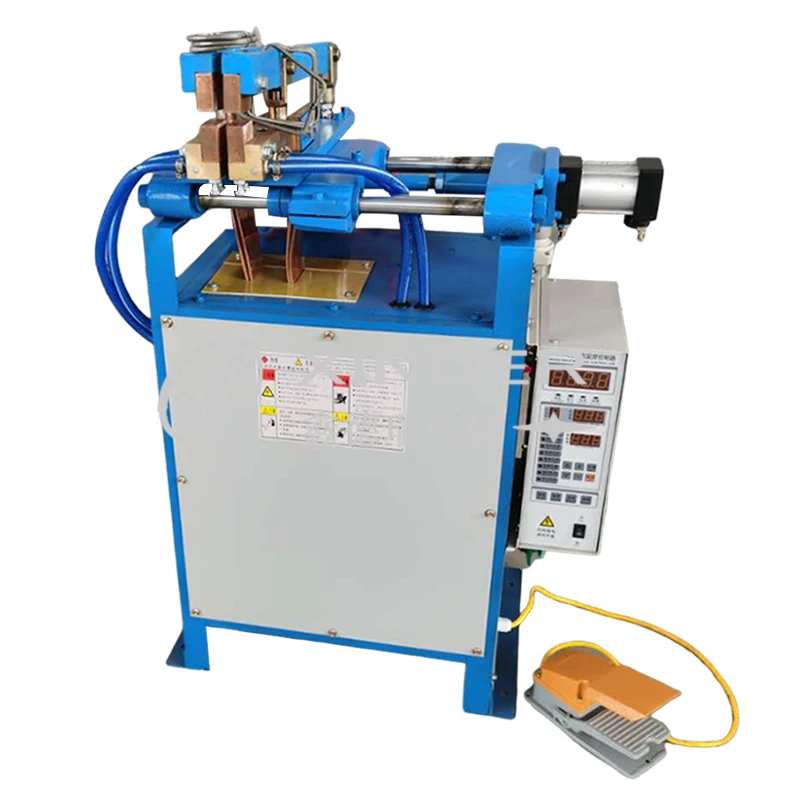 Pneumatic Handle Welding MachineSep . 13, 2024
 -
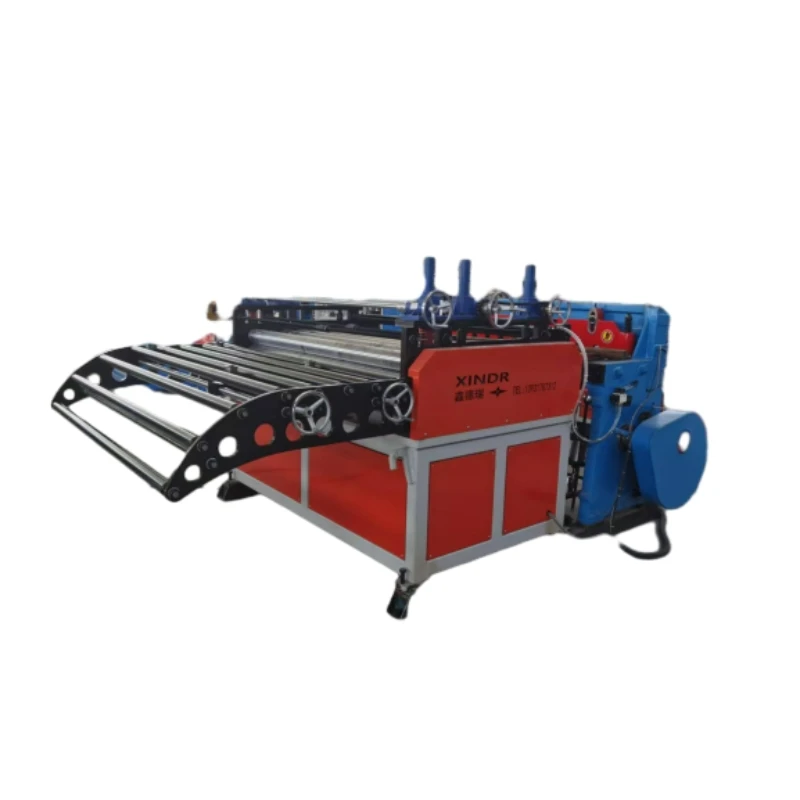 Fully Automatic Kaiping Production LineOct . 17, 2024
 -
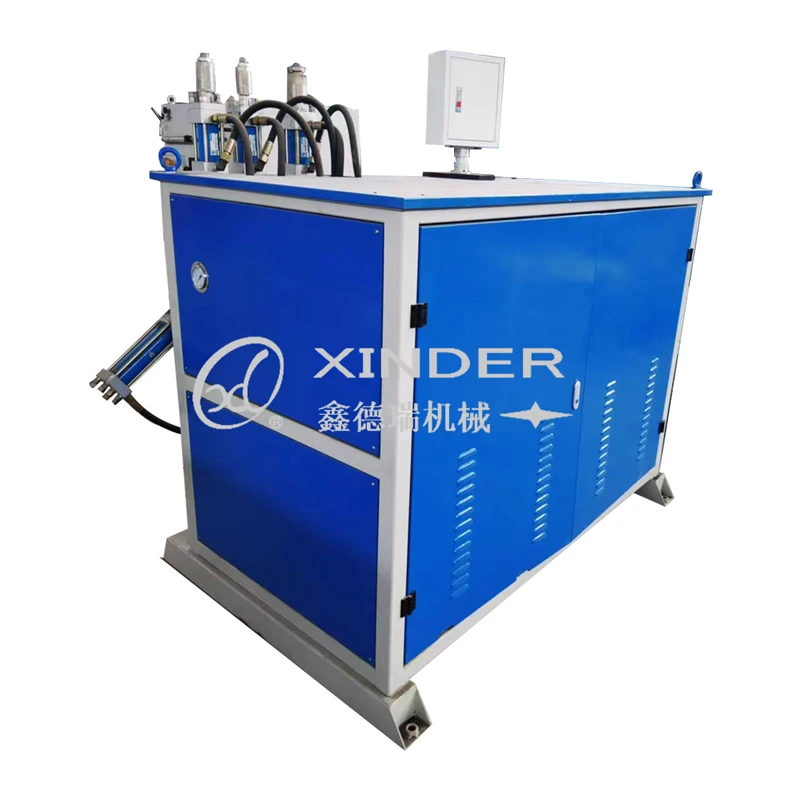 Fully Automatic Metal Bucket Lifting HeadphonesSep . 14, 2024