-
 8613931787312
 -
 Botou Industrial Zone on the east side of National Highway 104, Botou City, Hebei Province


Automatic Panel Bending Machine: Boost Precision & Productivity
Automatic Panel Bending Machine: A Modern Essential in Industrial Fabrication
Having spent over a decade in the industrial equipment sector, I’ve observed how machine tooling has steadily evolved from manual labor to sophisticated automation. One machine that really caught my eye—because it’s both clever and pragmatic—is the automatic panel bending machine. If you ever deal with sheet metal fabrication or large-scale panel work, you can understand how essential it is to reduce repetitive strain while increasing precision and speed.
Now, you know, bending panels isn’t just about making a sharp crease. It’s about maintaining consistency across hundreds or thousands of pieces that have to fit perfectly—otherwise, the entire assembly line comes to a screeching halt. I once visited a job site where the operators relied on older manual presses. It was impressive how skilled they were, but frankly, it was apparent that fatigue and minute inaccuracies were creeping in after a long shift. That’s where automatic panel bending machines really shine.
These machines combine hydraulic and CNC technology to deliver repeatable bends at scale without sacrificing quality. What’s cool is how they’ve integrated safety sensors and intuitive programming interfaces, so even operators new to the system can get up to speed within days. I recall a German plant I toured that claimed a 30% increase in output simply by upgrading to these machines.
When considering the specs, you’ll want a machine that can handle different panel thicknesses and sizes without constant adjustment. Let me share a typical configuration I’ve come across in the market:
| Specification | Details |
|---|---|
| Max Panel Width | 2200 mm |
| Material Thickness Range | 0.8 to 6.0 mm |
| Bending Angle Range | 0° to 135° adjustable |
| Control System | CNC with touchscreen interface |
| Cycle Time | 15–30 seconds / bend |
| Power Supply | 380V, 50/60 Hz, three-phase |
Choosing the right automatic panel bending machine can be a bit like selecting the right workhorse for your workshop. There are established players in the market and some newcomers keen to innovate with modular designs or AI-driven quality checks. Here’s a brief comparison of some vendors I’ve had my eye on lately:
| Vendor | Key Features | Price Range (USD) | Support & Warranty |
|---|---|---|---|
| XDR Machinery | High precision CNC, safety sensors, remote diagnostics | $80,000 - $120,000 | 2-year warranty, global support |
| Alpha Bend Inc. | Modular tooling, energy efficient design | $75,000 - $110,000 | 1.5-year warranty, regional support |
| Bravo Tech | AI quality control, interactive control panel | $90,000 - $130,000 | 3-year warranty, online training |
Oddly enough, some of the smaller fabricators I’ve spoken to swear by the simplicity of models without all the bells and whistles. They say “sometimes, less is more” — fewer breakdown points, easier maintenance. But if you’re running a high-volume operation, automation is nearly indispensable. I recall a small client in Ohio who upgraded a few years back to an automatic panel bending machine from XDR Machinery. Their operator told me they cut turnover times by almost half, and even after the first 18 months, the machine still runs like a dream with minimal servicing.
You should also factor in your material variety. Machines like these can flexibly handle aluminum, mild steel, stainless steel, and sometimes even coated panels without issue. Though, beware of pushing thickness limits consistently—that will wear your machine down quicker than anything else. Thoughtful preventive maintenance programs go a long way.
All told, the automatic panel bending machine is kind of a quiet hero in the industrial space. It’s not glamorous, but it’s a workhorse that keeps factories efficient, reducing scrap, and frankly, makes the operators’ lives a lot easier.
So if you’re considering upgrading or investing, I’d say dig into the specs, talk to users, and definitely test the control interface yourself. Machines are tools—but the right tool does more than just get the job done; it almost becomes part of the team.
References & Further Reading:
- Industry Machinery Trends Journal, 2023 Edition
- "Modern Automation in Fabrication," Tech Manufacturing Weekly, 2022
- XDR Machinery Product Manuals and Customer Case Studies
-
Guide to Spartan Steel Bending Machine Price and Cost FactorsNewsApr.16,2026
-
Analyzing the Spartan Bending Machine Price and Buyer GuideNewsApr.09,2026
-
Understanding Small Bending Machine Price and Choosing the Right OptionNewsApr.07,2026
-
Comprehensive Guide to Sheet Metal Bending Machine Price and SelectionNewsApr.04,2026
-
Comprehensive Guide to Roofing Sheet Bending Machine Price and SelectionNewsMar.31,2026
-
Comprehensive Guide to Profile Bending Machine Price and SelectionNewsMar.28,2026
-
Comprehensive Guide to Press Bending Machine Price and Purchasing ConsiderationsNewsMar.26,2026
-
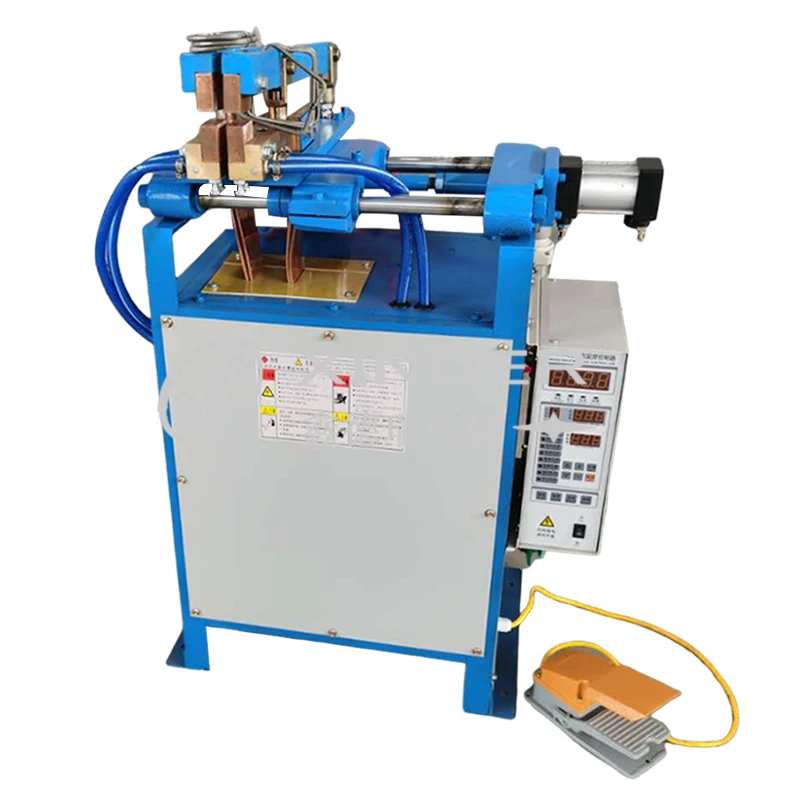 Pneumatic Handle Welding MachineSep . 13, 2024
 -
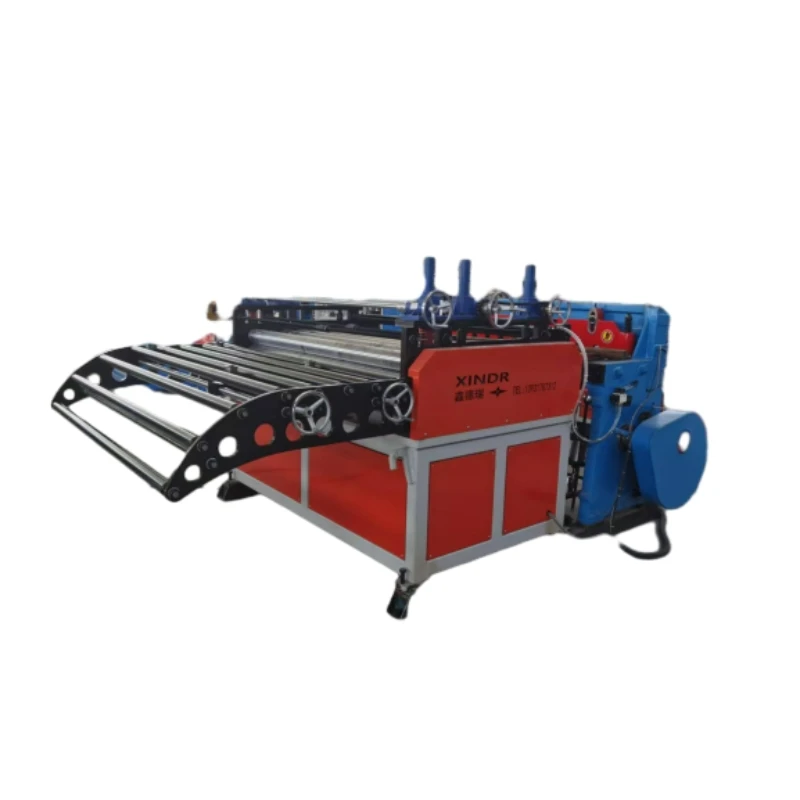 Fully Automatic Kaiping Production LineOct . 17, 2024
 -
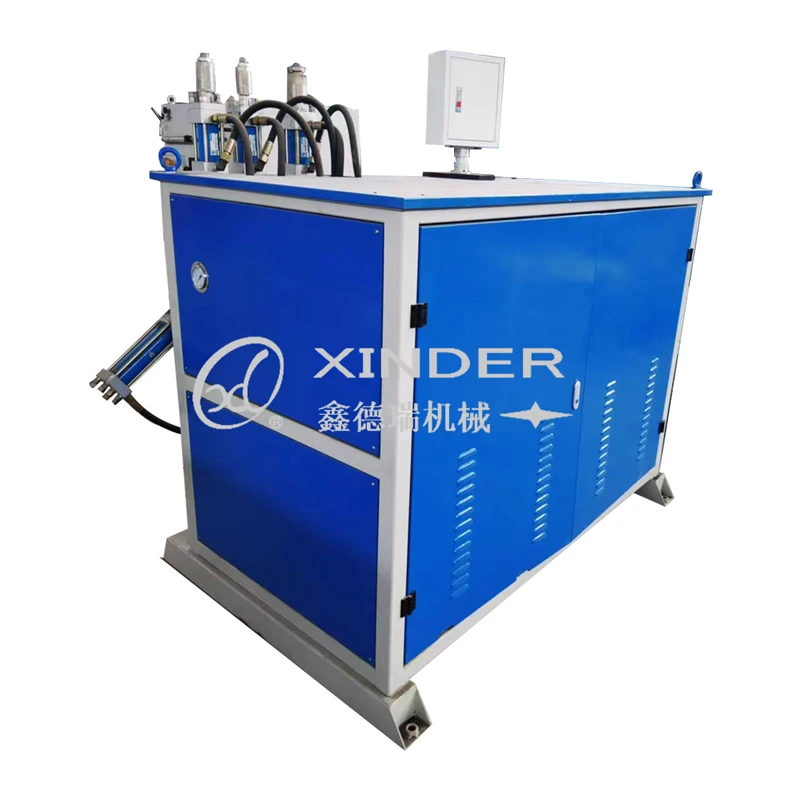 Fully Automatic Metal Bucket Lifting HeadphonesSep . 14, 2024