-
 8613931787312
 -
 Botou Industrial Zone on the east side of National Highway 104, Botou City, Hebei Province


Quality Control Checks Within a Barrel Production Line
Barrel production line—including automated systems with precision barrel making machine and heavy-duty steel barrel making machine setups—relies on strict quality control (QC) checks to ensure consistent, durable output, whether for industrial storage, chemical transport, or food-grade packaging. Unlike small-scale barrel crafting, large-scale production lines demand standardized checks at every stage (raw material to finished product) to avoid defects that risk product leaks, safety hazards, or client rejections. For wholesalers serving packaging firms, chemical manufacturers, or logistics companies, partnering with a manufacturer that integrates robust QC into barrel production line equipment is essential. Hebei Xindrui Machinery Manufacturing Co., Ltd., based in Cangzhou with 20+ years of experience (formerly Xindrui Machinery Factory), specializes in barrel production line solutions—from barrel making machine to specialized steel barrel making machine—and embeds QC checkpoints into every equipment design. Their ability to tailor lines to bulk client needs (via custom drawings or samples) makes them a trusted wholesaler partner globally.
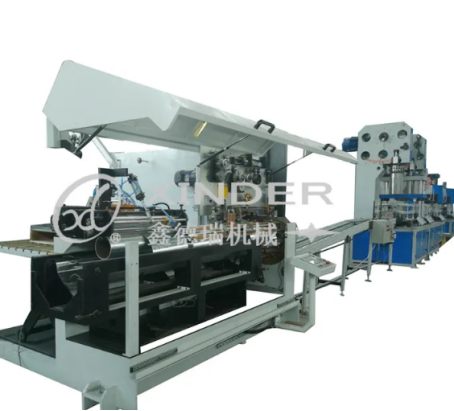
Raw Material QC Checks for Barrel Production Line
- Steel Thickness and Grade Verification for Steel Barrel Making Machine: Steel barrel making machine relies on high-quality steel sheets (the core raw material) —Hebei Xindrui’s QC process starts with verifying steel thickness (typically 0.8–1.2mm for industrial barrels) and material grade (e.g., Q235 for general use, food-grade 304 stainless steel for edible oil barrels). Using digital calipers and material analyzers, inspectors check 10–15% of each steel batch to ensure consistency—thickness variations beyond 0.1mm can cause uneven forming in the barrel making machine, leading to weak seams. For example, a barrel production line making chemical transport barrels would reject steel with surface scratches (deeper than 0.05mm) that could compromise corrosion resistance. This raw material check prevents costly rework later, a key benefit wholesalers can highlight to clients focused on long-term production efficiency.
- Coating Adhesion Testing for Barrel Making Machine: Barrels (especially those for liquid storage) require protective coatings—Hebei Xindrui’s QC includes adhesion testing for pre-coated steel sheets used in barrel making machine. Using a cross-cut tester, inspectors score the coating in a grid pattern and apply tape to check for peeling—coatings that lift more than 5% of the grid are rejected. This ensures the coating stays intact during barrel production line forming (e.g., bending, welding) and resists chipping during transport. For a steel barrel making machine producing oil barrels, this test prevents coating failure that could lead to rust or product contamination. Wholesalers can emphasize this check to clients in industries with strict hygiene or corrosion standards (e.g., food, pharmaceuticals).
In-Process QC Checks for Barrel Making Machine
- Forming Precision Checks for Barrel Production Line: Barrel production line forming stages (cutting, bending, rolling) demand tight tolerances—Hebei Xindrui’s barrel making machine includes built-in sensors that check dimensions (e.g., barrel height, diameter) at every step. For example, after the rolling stage (shaping steel into a cylinder), laser sensors verify that diameter variation is less than 2mm—too much variation causes misalignment in later welding. Inspectors also check for “wrinkles” in the barrel body (common in thin steel) using visual checks and feeler gauges; any wrinkle deeper than 1mm triggers a machine adjustment. This in-process QC reduces defective barrels by 60–70% vs. lines without real-time checks, a major cost saver for clients.
- Weld Quality Inspection for Steel Barrel Making Machine: Welds are the most critical part of steel barrel making machine output—Hebei Xindrui uses two QC methods: visual inspection (checking for cracks, gaps, or uneven beads) and ultrasonic testing (detecting internal defects like incomplete fusion). For a barrel production line making 200L industrial barrels, every 50th weld undergoes ultrasonic testing to ensure it can withstand 0.15MPa pressure (the standard for liquid storage). Welds that fail are repaired by certified technicians, and the entire batch is rechecked. This rigor ensures barrels don’t leak—critical for clients transporting hazardous materials, and a key selling point for wholesalers targeting industrial sectors.
Barrel Production Line QC Checkpoint Comparison
|
QC Checkpoint |
Key Focus |
Equipment Used |
Hebei Xindrui Advantage |
Wholesaler Value |
|
Raw Material (Steel) |
Thickness; grade; coating adhesion |
Digital calipers; cross-cut tester |
Batch sampling; material certification |
Prevents upstream defects in bulk production |
|
Forming Stage |
Diameter; height; wrinkle-free body |
Laser sensors; feeler gauges |
Real-time machine adjustments |
Reduces mid-line rework for clients |
|
Welding Stage |
Crack-free; pressure resistance |
Ultrasonic tester; pressure gauge |
Certified weld techs; batch rechecks |
Meets safety standards for hazardous goods |
|
Finished Barrel |
Leakage; structural strength |
Water pressure test; drop test |
Automated testing lines |
Ensures end-product durability |
Finished Barrel QC Checks for Barrel Production Line
- Leakage Testing for Steel Barrel Making Machine: Every finished barrel from a steel barrel making machine undergoes leakage testing—Hebei Xindrui’s barrel production line uses two methods: water filling (submerging barrels in water and checking for bubbles) or air pressure testing (pressurizing barrels to 0.2MPa and monitoring for pressure drops). For food-grade barrels, water used in testing is sanitized to avoid contamination. A barrel production line making chemical barrels might also add a “tilt test” (tilting barrels at 45° for 10 minutes) to check seal integrity at the lid. Barrels that fail leakage tests are scrapped or repaired (if repairable), ensuring 100% leak-free output for clients.
- Structural Strength Testing for Barrel Making Machine: Barrel making machine output must withstand stacking, transport, and handling—Hebei Xindrui’s QC includes drop tests (dropping barrels from 1.2m onto a concrete surface) and stacking tests (piling 5 barrels high for 24 hours). Barrels that show dents deeper than 30mm or lid deformation fail the test. For a barrel production line making small 50L barrels, a “roll test” (rolling barrels 100 meters on a rough surface) checks for lid looseness or body damage. This strength testing ensures barrels hold up in real-world use, reducing client complaints about damaged goods during shipping.
Barrel Production Line FAQS
Can QC Checks Be Customized for Specialized Barrel Production Line Needs?
Yes—Hebei Xindrui customizes QC checks for barrel production line based on client needs: for example, a steel barrel making machine producing pharmaceutical barrels might add “cleanliness testing” (checking for dust or residue inside barrels) or “coating purity testing” (via lab analysis). For clients with unique standards (e.g., military-grade barrels), the company integrates additional checks like salt spray testing (for corrosion resistance).
How Often Are Barrel Making Machine QC Tools Calibrated?
Hebei Xindrui calibrates all QC tools (e.g., laser sensors, pressure gauges) in barrel making machine every 3 months (or after 10,000 barrels produced), using ISO-certified calibration equipment. The company provides calibration certificates to wholesalers, who can share them with clients to prove compliance with international standards. For critical tools like ultrasonic testers, calibration is done monthly to ensure accuracy. This frequent calibration ensures consistent QC results, avoiding defects caused by misaligned tools.
Do Barrel Production Line QC Checks Slow Down Production?
No—Hebei Xindrui’s barrel production line integrates QC checks into the production flow to avoid delays: for example, in-process checks (like laser diameter measurement) take <1 second per barrel, and finished barrel testing uses automated lines that handle 20–30 barrels per hour. A steel barrel making machine line with 4 QC checkpoints can still produce 500+ barrels per day—matching or exceeding lines without robust QC.
Can Hebei Xindrui Train Client Teams on Barrel Production Line QC?
Absolutely—for wholesalers’ clients, the company provides free training for barrel production line operators on basic QC checks (e.g., visual weld inspection, simple leakage checks) and offers advanced training for QC managers (e.g., interpreting ultrasonic test results). Training includes hands-on sessions with barrel making machine and written guides, ensuring clients can maintain QC standards even after equipment installation. This training reduces reliance on third-party inspectors, lowering client operational costs.
Are QC Check Results Documented for Barrel Production Line Batches?
Yes—Hebei Xindrui provides detailed QC reports for every barrel production line batch, including raw material certifications, in-process check data, and finished barrel test results. Reports are stored digitally (and provided to wholesalers as PDFs) for 5 years, making it easy for clients to comply with audit requirements (e.g., ISO 9001, food safety certifications). For a steel barrel making machine line producing export barrels, these documents help clients meet import country standards (e.g., EU REACH regulations).
-
Guide to Spartan Steel Bending Machine Price and Cost FactorsNewsApr.16,2026
-
Analyzing the Spartan Bending Machine Price and Buyer GuideNewsApr.09,2026
-
Understanding Small Bending Machine Price and Choosing the Right OptionNewsApr.07,2026
-
Comprehensive Guide to Sheet Metal Bending Machine Price and SelectionNewsApr.04,2026
-
Comprehensive Guide to Roofing Sheet Bending Machine Price and SelectionNewsMar.31,2026
-
Comprehensive Guide to Profile Bending Machine Price and SelectionNewsMar.28,2026
-
Comprehensive Guide to Press Bending Machine Price and Purchasing ConsiderationsNewsMar.26,2026
-
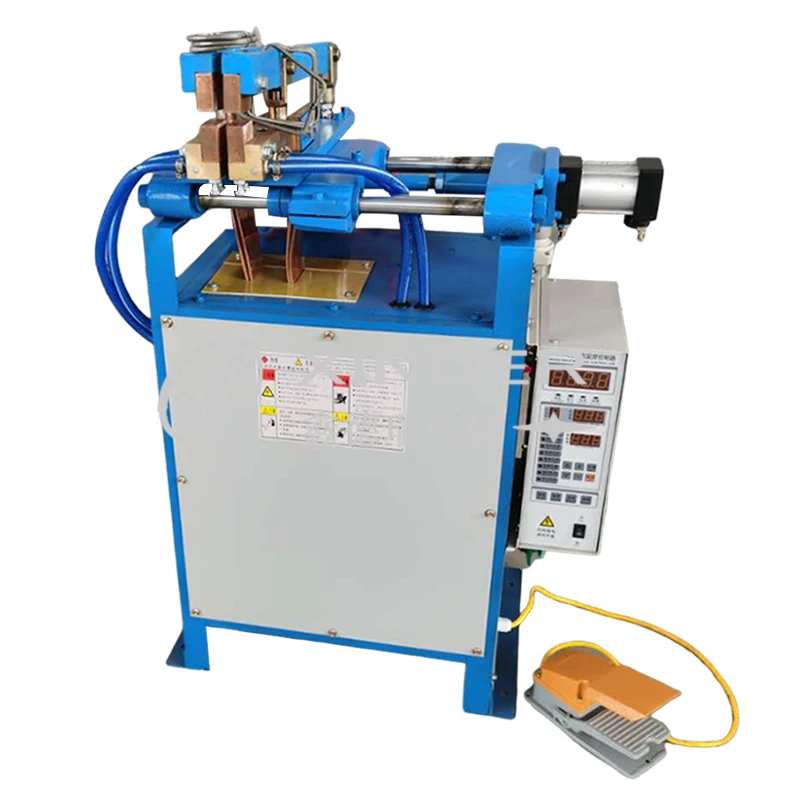 Pneumatic Handle Welding MachineSep . 13, 2024
 -
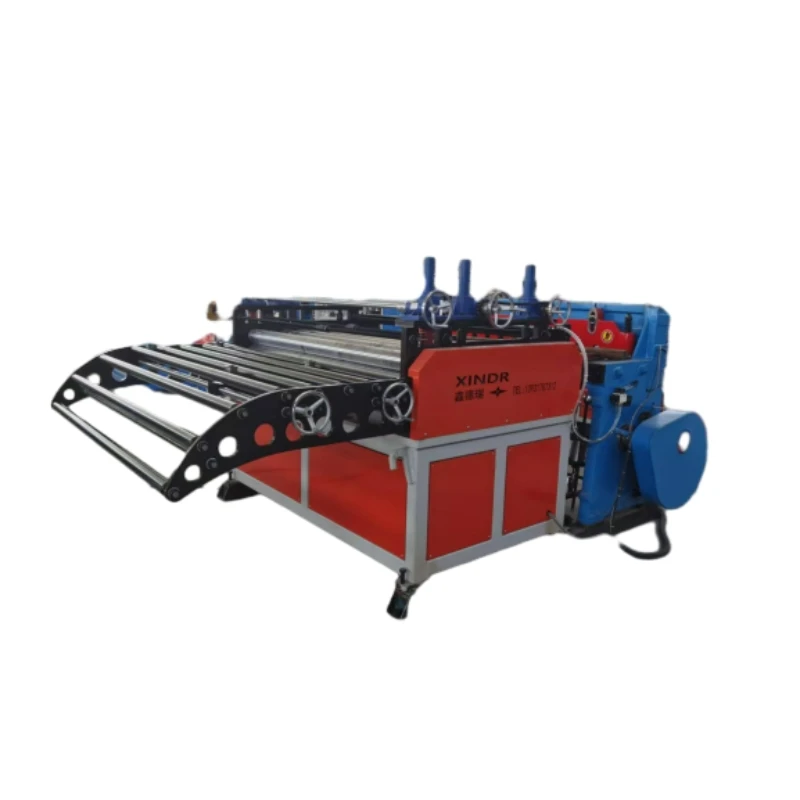 Fully Automatic Kaiping Production LineOct . 17, 2024
 -
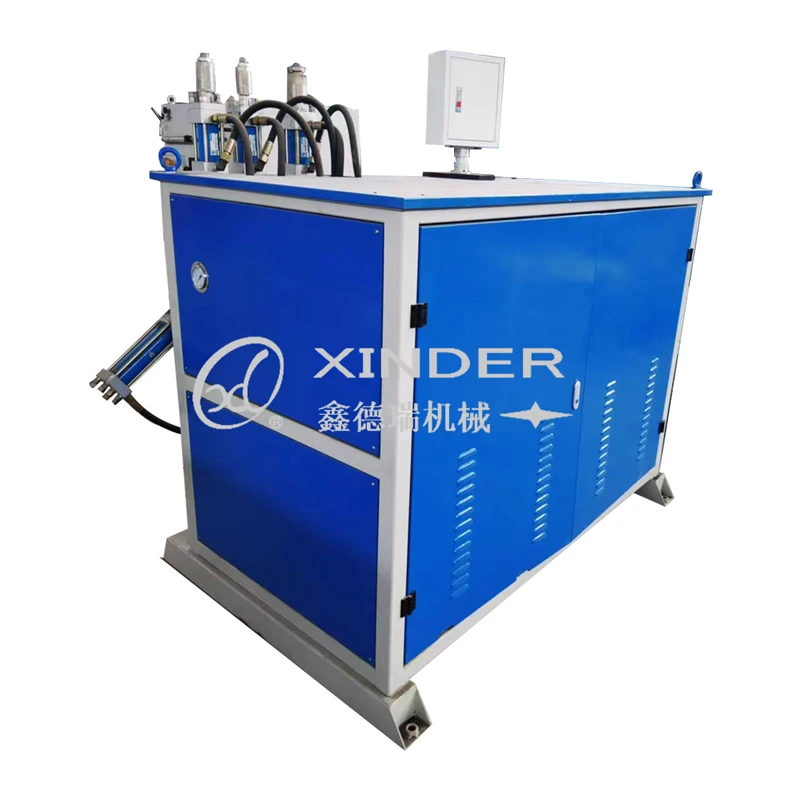 Fully Automatic Metal Bucket Lifting HeadphonesSep . 14, 2024