-
 8613931787312
 -
 Botou Industrial Zone on the east side of National Highway 104, Botou City, Hebei Province


Precision Bellows Ring Seam Welding Machine | Efficient Welding
Introduction to Advanced Bellows Welding Technology
In critical industrial applications, the integrity and performance of expansion joints and flexible connectors are paramount. These components, primarily bellows, are essential for accommodating thermal expansion, vibration, and misalignment in piping systems. The manufacturing precision of these bellows relies heavily on advanced welding techniques, specifically ring seam welding. The Bellows Ring Seam Welding Machine stands as a cornerstone technology, enabling the production of high-quality, durable, and leak-proof bellows for demanding environments across various sectors.
This specialized equipment is engineered to execute precise, continuous circumferential welds on bellows components, ensuring structural integrity and optimal operational lifespan. Its role is indispensable in industries where failure is not an option, providing the foundational strength for systems handling corrosive media, extreme temperatures, and high pressures. This article delves into the technical intricacies, application breadth, and strategic advantages offered by this vital machinery.
Industry Trends and Market Dynamics
The global market for industrial bellows and expansion joints is experiencing steady growth, driven by infrastructure development, increasing energy demands, and stringent safety regulations. Key drivers include expansion in the petrochemical, power generation, and HVAC sectors, all of which heavily rely on robust piping systems.
- Increased demand for automation: Manufacturers are seeking automated welding solutions to improve throughput, reduce labor costs, and enhance weld consistency, directly impacting the adoption of sophisticated Bellows Ring Seam Welding Machine technology.
- Focus on exotic materials: The use of corrosion-resistant alloys like Inconel, Monel, Hastelloy, and various stainless steels (304L, 316L, 321) is growing in response to more aggressive operating environments. This necessitates welding machines capable of handling these materials with precision and minimal heat distortion.
- Miniaturization and precision: The trend towards smaller, more precise components in industries such as aerospace and medical devices demands welding equipment with micro-welding capabilities and sub-millimeter accuracy.
- Sustainable manufacturing: Energy efficiency, reduced material waste, and longer product lifespans are increasingly important, pushing demand for welding processes that optimize material usage and minimize rework.
According to industry analysis, the global industrial bellows market is projected to reach approximately $1.5 billion by 2027, growing at a CAGR of 4.5% from 2022. This growth underscores the critical need for advanced manufacturing equipment, positioning the Bellows Ring Seam Welding Machine as a strategic asset for manufacturers aiming to capitalize on these market opportunities.
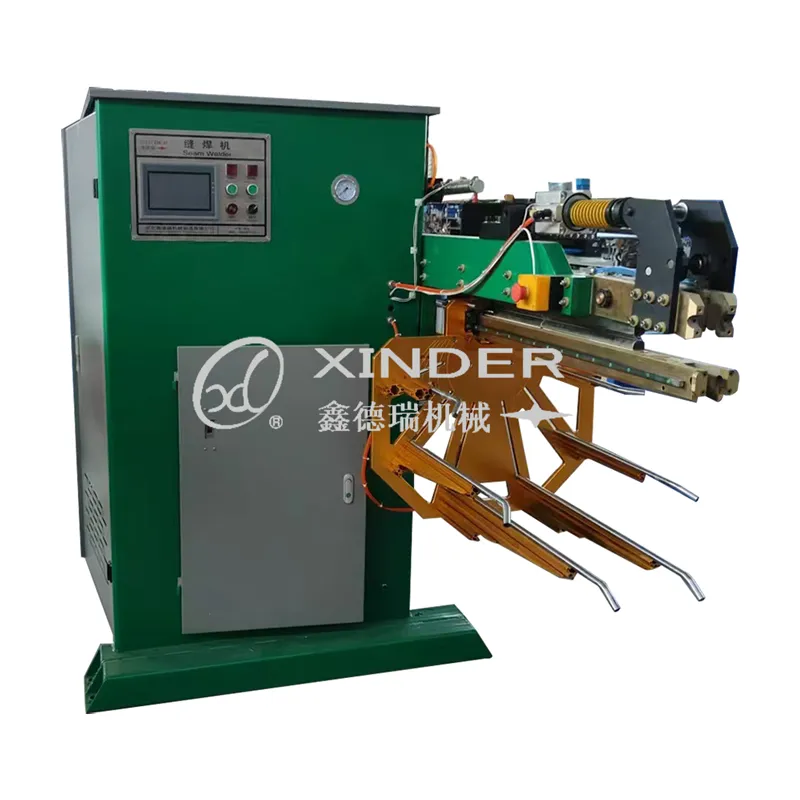
Detailed Process Flow: Manufacturing Bellows with Precision
The manufacturing of high-quality bellows involves a multi-stage process, with the ring seam welding being a pivotal step. Understanding this flow highlights the precision and control offered by a dedicated Bellows Ring Seam Welding Machine.
1. Material Selection and Preparation
- Materials: Typical materials include various grades of stainless steel (e.g., SS304L, SS316L, SS321), Inconel 625/718, Monel 400, Hastelloy C-276, and Titanium alloys. These are chosen based on the application's required corrosion resistance, temperature, and pressure ratings.
- Form: Materials are typically supplied as thin-gauge sheet metal or pre-formed tube sections.
- Preparation: Material sheets are cut, roll-formed into cylindrical shapes, and prepared for longitudinal welding to create the initial cylindrical shell.
2. Longitudinal Seam Welding
The first welding step involves creating a perfect longitudinal seam on the pre-formed cylinder. This is often achieved using TIG (Tungsten Inert Gas) welding for its precision and clean, high-quality welds. This seam must be flawless, as any defect will be magnified during subsequent forming operations.
3. Bellows Forming
Once the cylindrical shell is prepared, it undergoes a forming process to create the convolutions (corrugations) that give the bellows its flexibility. Common methods include:
- Hydroforming: Utilizing high-pressure liquid to expand the tube into a die, shaping the convolutions.
- Roll Forming: Using rollers to progressively form the convolutions.
- Mechanical Forming: Employing a series of dies and punches.
4. Ring Seam Welding (Critical Step)
This is where the Bellows Ring Seam Welding Machine excels. After forming, individual bellows convolutions, or a series of convolutions, need to be joined to end fittings (flanges, pipes, collars) or to other bellows sections to create longer expansion joints. This process involves:
- Fixture and Clamping: Precision jigs hold the bellows and end fitting in perfect alignment, minimizing distortion.
- Automated Rotation: The machine rotates the workpiece at a controlled speed while the welding torch remains stationary (or vice-versa).
- Welding Process: Typically, automated TIG welding (GTAW) or Plasma Arc Welding (PAW) is employed. TIG offers superior control over weld penetration and minimal heat input, crucial for thin-walled bellows. PAW provides even deeper penetration and higher speeds. Both processes often use an inert gas shield (e.g., Argon) to prevent oxidation.
- Parameter Control: Critical parameters like welding current, voltage, travel speed, gas flow, and pulsation are precisely controlled by the machine's CNC system to ensure consistent, high-integrity welds.
5. Post-Welding Treatment and Testing
- Heat Treatment: Stress relieving or annealing may be performed to enhance material properties and reduce residual stresses, especially for certain alloys.
- Cleaning: Removal of weld spatter, oxides, and surface contaminants.
- Non-Destructive Testing (NDT): Crucial for quality assurance. This includes:
- Visual Inspection: Checking for surface defects.
- Dye Penetrant Inspection (DPI): Detecting surface-breaking discontinuities.
- Radiographic Testing (RT): For internal weld integrity.
- Leak Testing: Hydrostatic testing or pneumatic testing (e.g., helium leak detection) to verify hermetic sealing, often to standards like ASME B31.3.
- Standards: Bellows are typically tested to international standards such as ISO 15649, EJMA (Expansion Joint Manufacturers Association), and ASME B31.3 (Process Piping). These standards ensure the product meets specific design, manufacturing, and testing criteria for service life and safety.
The target industries for these highly engineered bellows include petrochemical, oil & gas, power generation, metallurgy, chemical processing, water supply & drainage, and aerospace. The advantages in typical application scenarios are significant: energy saving through reduced leakage, superior corrosion resistance due to precise material handling, and extended service life attributed to high weld integrity and compliance with rigorous testing standards.
Technical Specifications and Parameters
A high-performance Bellows Ring Seam Welding Machine is characterized by a suite of sophisticated technical parameters designed for optimal weld quality and operational efficiency.
Key Product Specifications
These specifications underscore the machine's ability to produce high-quality welds on a diverse range of bellows sizes and material thicknesses, critical for compliance with industry standards like ISO 9606 and AWS D1.1/D1.6 for welding procedures and welder qualifications.
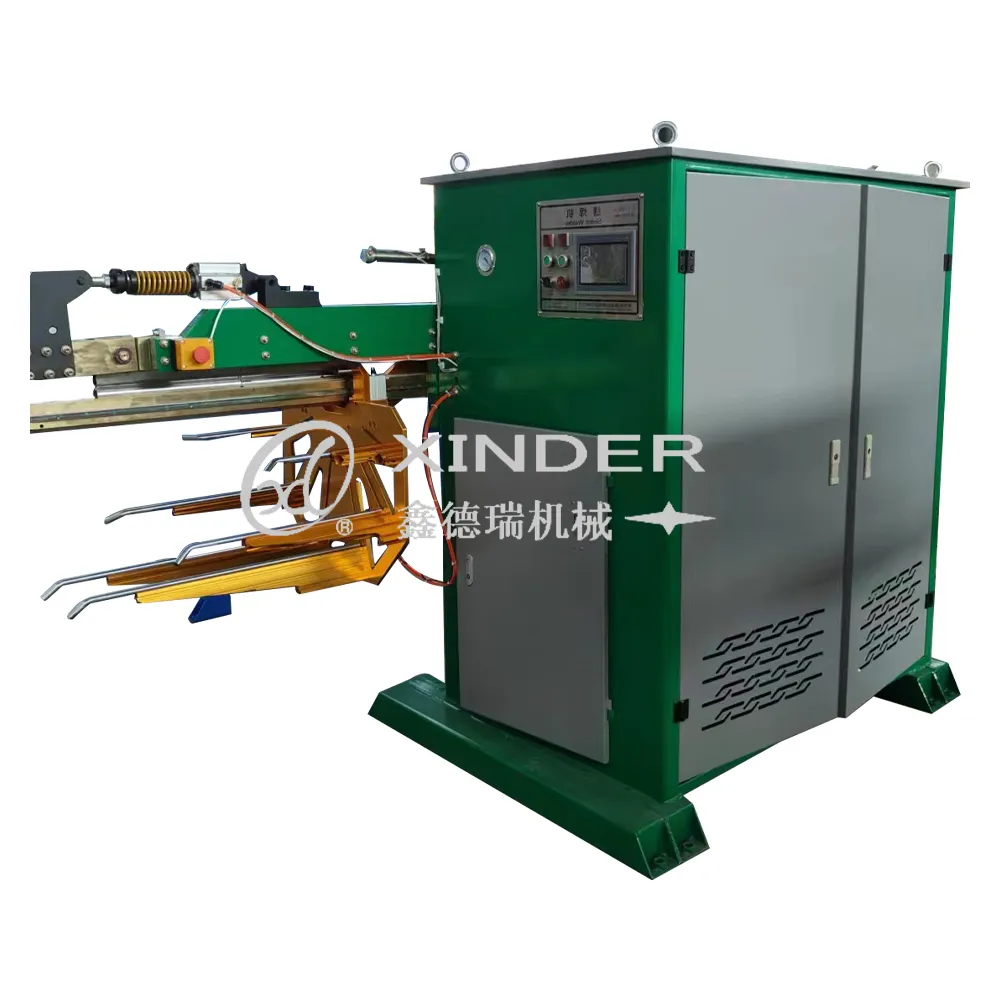
Application Scenarios and Industry Impact
The versatility and precision of a Bellows Ring Seam Welding Machine enable its deployment across a broad spectrum of demanding industrial applications.
- Petrochemical and Oil & Gas: Bellows are critical in pipelines and processing plants for absorbing thermal expansion, vibration from pumps/compressors, and ensuring leak-free operations under high pressure and temperature, often with corrosive media. Examples include refinery expansion joints, LNG terminal piping, and offshore platform flexible connectors.
- Power Generation (Thermal, Nuclear): Essential for steam turbine systems, exhaust ducts, and condenser piping where large diameter bellows accommodate significant thermal movements and maintain vacuum integrity. Nuclear applications demand absolute reliability and compliance with ASME Boiler and Pressure Vessel Code (BPVC).
- HVAC Systems: Smaller diameter bellows are used in commercial and industrial HVAC ducts and piping to reduce noise, vibration, and thermal stress.
- Water Supply & Drainage: For large diameter piping systems in municipal water treatment plants and pumping stations, ensuring flexibility and preventing stress on fixed structures.
- Aerospace and Aviation: Precision-welded bellows are used in exhaust systems, fuel lines, and hydraulic systems, where lightweight, high-strength, and temperature-resistant components are vital for aircraft and spacecraft operation.
- Semiconductor Manufacturing: Ultra-high purity (UHP) gas lines utilize bellows to prevent particle generation and leakage, requiring exceptionally clean and precise welds.
- Metallurgy and Heavy Industry: In furnace exhaust systems, ducting for hot gases, and material handling equipment, where bellows must withstand extreme heat and abrasive environments.
Each of these scenarios underscores the non-negotiable requirement for high-integrity welds, which can only be consistently achieved through advanced automated welding solutions like the Bellows Ring Seam Welding Machine.
Technical Advantages and ROI
Investing in an advanced Bellows Ring Seam Welding Machine offers substantial technical and economic advantages for manufacturers.
1. Unmatched Weld Quality and Consistency
- Precision Arc Control: Advanced power sources and motion control ensure stable arc, consistent penetration, and minimal heat affected zone (HAZ), crucial for thin-gauge materials susceptible to distortion.
- Hermetic Sealing: Automated processes virtually eliminate human error, leading to void-free, leak-proof welds essential for high-pressure or vacuum applications.
- Repeatability: Digital control systems allow for exact replication of welding parameters, ensuring every bellows produced meets the same stringent quality standards. This directly impacts compliance with industry specifications like API 598 for valve inspection and testing.
2. Enhanced Productivity and Efficiency
- Increased Throughput: Automation significantly reduces welding time compared to manual methods, boosting production capacity.
- Reduced Rework: High first-pass yield minimizes the need for costly and time-consuming rework, directly lowering manufacturing costs.
- Optimized Material Use: Precise welding prevents material spoilage due to errors, conserving expensive alloys.
3. Operational Safety and Ergonomics
- Reduced Operator Exposure: Automation removes operators from direct exposure to welding fumes, UV radiation, and high heat, improving workplace safety.
- Ergonomic Design: Machines are designed for ease of loading and unloading, reducing physical strain on personnel.
4. Cost Savings and ROI
- Lower Labor Costs: Reduced reliance on highly specialized manual welders for repetitive tasks.
- Energy Efficiency: Modern welding power sources are more energy-efficient, contributing to lower operational expenditures.
- Extended Tool Life: Consistent operation and controlled parameters can extend the life of consumables and fixtures.
Vendor Comparison: Choosing the Right Solution
When investing in a Bellows Ring Seam Welding Machine, a thorough vendor comparison is essential. Beyond initial cost, factors such as machine reliability, support, customization options, and technological sophistication play a crucial role.
Comparative Analysis of Welding Machine Features
Our solutions prioritize flexibility, advanced control, and robust support to ensure long-term operational excellence, distinguishing us in a competitive market.
Customized Solutions for Unique Demands
Recognizing that standard configurations may not address every industrial challenge, we specialize in delivering tailored Bellows Ring Seam Welding Machine solutions. Our engineering team works closely with clients to understand specific requirements, adapting machinery for unique applications.
- Specialized Fixturing: Design and fabrication of custom jigs and clamping systems for non-standard bellows geometries, unusual end-fittings, or extremely thin-walled materials.
- Integrated Automation: Development of fully automated cells that integrate the welding machine with material handling robots, automated loading/unloading systems, and post-weld inspection.
- Multi-Process Capabilities: Hybrid welding systems combining TIG and Plasma, or integrating laser welding for specific niche requirements like dissimilar material joining.
- Software Customization: Tailoring HMI interfaces, adding specialized welding recipes, or integrating with existing factory management systems (MES/SCADA) for seamless data exchange and process control.
- Environmental Controls: Integration of inert gas purging systems for internal weld shielding, vacuum welding capabilities, or cleanroom compatibility for aerospace and semiconductor applications.
Our collaborative approach ensures that the delivered solution not only meets current production needs but also offers scalability and adaptability for future challenges. Each custom solution undergoes rigorous FAT (Factory Acceptance Test) and SAT (Site Acceptance Test) procedures to ensure compliance with client specifications and international quality standards like ISO 9001.
Application Case Studies & Customer Success
Our commitment to delivering reliable Bellows Ring Seam Welding Machine solutions is evidenced by the success of our clients in critical industries.
Case Study 1: Large Diameter Expansion Joints for a Power Plant
A leading power generation company in Europe required a solution for welding large diameter (DN1500 mm) multi-ply stainless steel bellows for their steam turbine exhaust systems. Manual welding proved inconsistent and slow, leading to high reject rates and project delays. We provided a custom Bellows Ring Seam Welding Machine with a heavy-duty rotary positioner and a specialized oscillating TIG torch, capable of handling the thickest sections with precision.
- Outcome: Weld quality improved by over 40%, with reject rates dropping from 15% to less than 2%. Production throughput increased by 2.5 times, significantly reducing the project timeline and ensuring compliance with stringent EN 14917 and ASME Section VIII standards.
- Customer Feedback: "The automation provided by XDR Machinery was a game-changer. We now achieve consistent, reliable welds on our largest bellows, reducing costly rework and ensuring the safety of our critical infrastructure." - Head of Manufacturing, European Power Solutions.
Case Study 2: High-Purity Bellows for Semiconductor Industry
A semiconductor equipment manufacturer faced challenges with particle generation and leakage in their UHP gas line bellows, requiring extremely clean and precise welds on thin (0.2mm) Inconel material. Our tailored solution included a Bellows Ring Seam Welding Machine equipped with a micro-TIG power source, vacuum chamber capabilities for inert gas purging, and an integrated real-time weld monitoring system.
- Outcome: Achieved zero particle generation and 100% leak-proof welds (verified by helium leak detection to 1x10⁻⁹ mbar·l/s). The automated system ensured reproducibility essential for mass production, meeting SEMI F75 standards for UHP components.
- Customer Feedback: "The precision and cleanliness of the welds from XDR's machine exceeded our expectations. This has been instrumental in maintaining the integrity of our gas delivery systems, directly impacting chip yield." - Process Engineer, Global Semiconductor Inc.
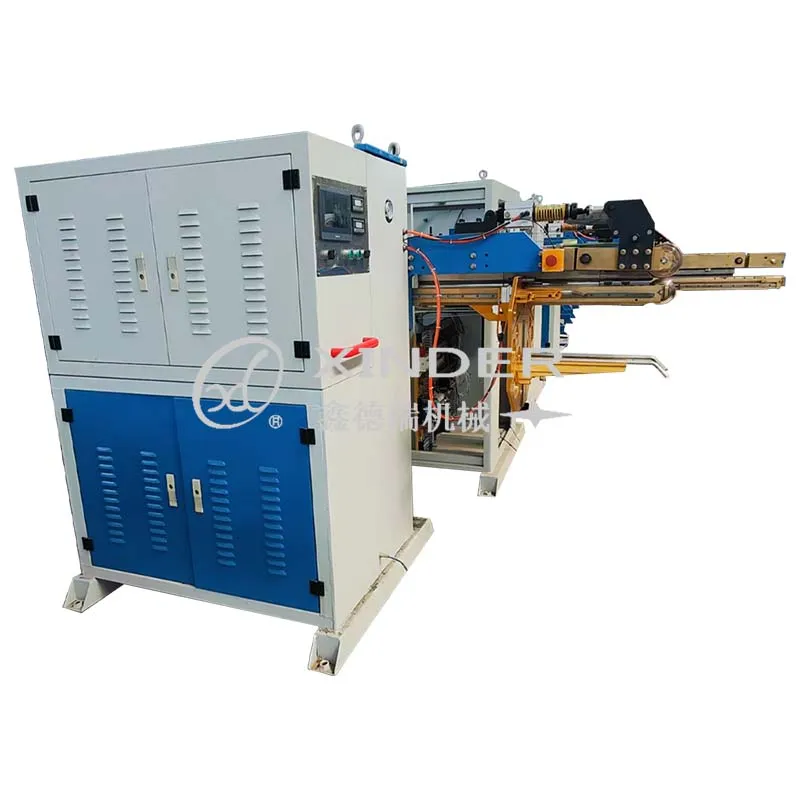
Ensuring Trustworthiness: FAQs, Lead Time, Warranty & Support
Building long-term partnerships requires transparency and robust support. We are committed to providing complete satisfaction through every stage of acquisition and operation of your Bellows Ring Seam Welding Machine.
Frequently Asked Questions (FAQ)
- Q: What types of materials can the machine weld?
A: Our machines are highly versatile and can weld various grades of stainless steel (304L, 316L, 321), Inconel, Monel, Hastelloy, Titanium, and other exotic alloys. Specific capabilities depend on the model and configuration. - Q: What is the typical lead time for a new machine?
A: Standard models typically have a lead time of 8-12 weeks from order confirmation. Customized solutions may require 12-20 weeks, depending on complexity. We provide precise lead times during the quotation process. - Q: What kind of training is provided for operators?
A: Comprehensive on-site training is provided for your operators and maintenance personnel. This covers machine operation, programming, troubleshooting, and basic maintenance to ensure your team is fully proficient. - Q: Is the machine compliant with international safety standards?
A: Yes, all our machines are designed and manufactured in accordance with international safety standards such as CE, ISO, and relevant regional electrical and mechanical safety directives. - Q: Can the machine integrate with existing production lines?
A: Absolutely. Our control systems are designed for flexible integration, often utilizing common industrial protocols, allowing seamless communication with upstream and downstream equipment.
Warranty Commitments
We offer a standard 12-month warranty on all mechanical and electrical components from the date of installation or 18 months from shipment, whichever comes first. Extended warranty packages are available for purchase, offering additional peace of mind and long-term operational assurance.
After-Sales Support
Our dedication extends beyond the sale. We provide:
- 24/7 Technical Support: Our expert technicians are available via phone, email, and remote diagnostics to address any operational issues promptly.
- Global Service Network: With regional service centers and partners, we ensure rapid response for on-site assistance, minimizing downtime.
- Spare Parts Availability: A comprehensive inventory of genuine spare parts is maintained to facilitate quick replacements and repairs.
- Preventative Maintenance Programs: Tailored service contracts are offered to optimize machine performance and extend its service life, maximizing your investment in the Bellows Ring Seam Welding Machine.
Conclusion
The Bellows Ring Seam Welding Machine represents a pinnacle in precision manufacturing for critical industrial components. Its ability to deliver consistently high-quality, leak-proof welds on a diverse range of materials and sizes makes it an indispensable asset across petrochemical, power generation, aerospace, and semiconductor industries. By combining advanced automation, meticulous process control, and comprehensive after-sales support, these machines not only meet but exceed the stringent demands of modern manufacturing. Investing in this technology is not merely an equipment purchase; it is a strategic decision that drives operational efficiency, ensures product integrity, and establishes a competitive edge in a rapidly evolving global market.
References
- Expansion Joint Manufacturers Association (EJMA) Standards. Available at: ejma.org
- American Society of Mechanical Engineers (ASME) Boiler and Pressure Vessel Code (BPVC). Available at: asme.org
- International Organization for Standardization (ISO) Welding Standards. Available at: iso.org
- American Welding Society (AWS) Welding Codes. Available at: aws.org
- Transparency Market Research. Global Industrial Bellows Market Report. Available at: transparencymarketresearch.com
-
Guide to Spartan Steel Bending Machine Price and Cost FactorsNewsApr.16,2026
-
Analyzing the Spartan Bending Machine Price and Buyer GuideNewsApr.09,2026
-
Understanding Small Bending Machine Price and Choosing the Right OptionNewsApr.07,2026
-
Comprehensive Guide to Sheet Metal Bending Machine Price and SelectionNewsApr.04,2026
-
Comprehensive Guide to Roofing Sheet Bending Machine Price and SelectionNewsMar.31,2026
-
Comprehensive Guide to Profile Bending Machine Price and SelectionNewsMar.28,2026
-
Comprehensive Guide to Press Bending Machine Price and Purchasing ConsiderationsNewsMar.26,2026
-
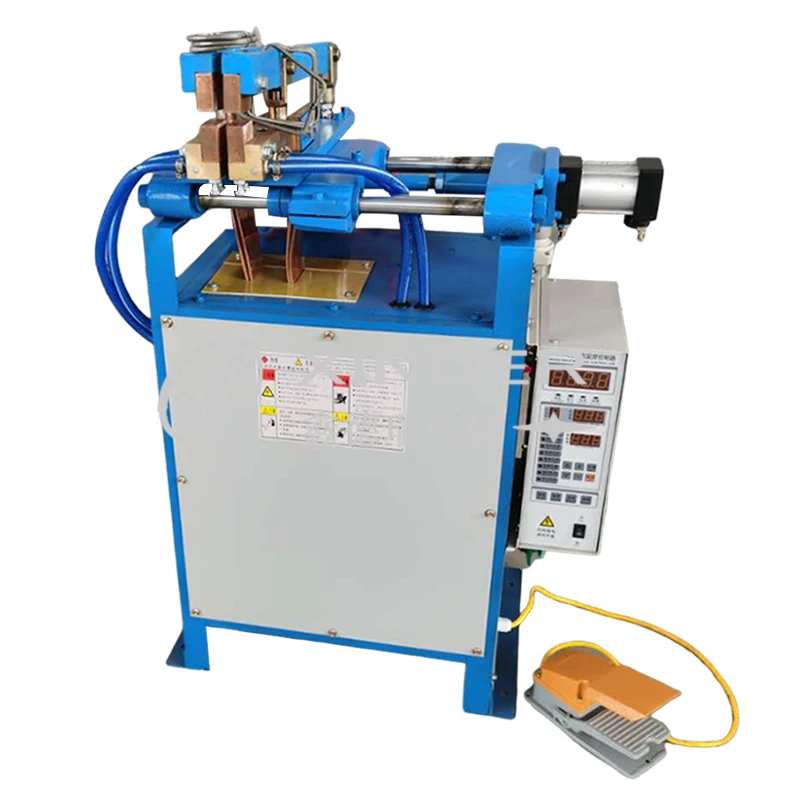 Pneumatic Handle Welding MachineSep . 13, 2024
 -
 Fully Automatic Kaiping Production LineOct . 17, 2024
 -
 Fully Automatic Metal Bucket Lifting HeadphonesSep . 14, 2024