-
 8613931787312
 -
 Botou Industrial Zone on the east side of National Highway 104, Botou City, Hebei Province


Guide to Spartan Steel Bending Machine Price and Cost Factors
Understanding Spartan Steel Bending Machine Price: A Buyer's Guide
When investing in industrial metalworking equipment, finding the right balance between performance and cost is critical. The spartan steel bending machine price varies significantly based on capacity, automation levels, and specific technical requirements. Whether you are upgrading a fabrication shop or starting a new production line, understanding the pricing drivers helps in making an informed procurement decision. This guide will break down the factors influencing the cost and how to maximize your return on investment through high-quality machinery.
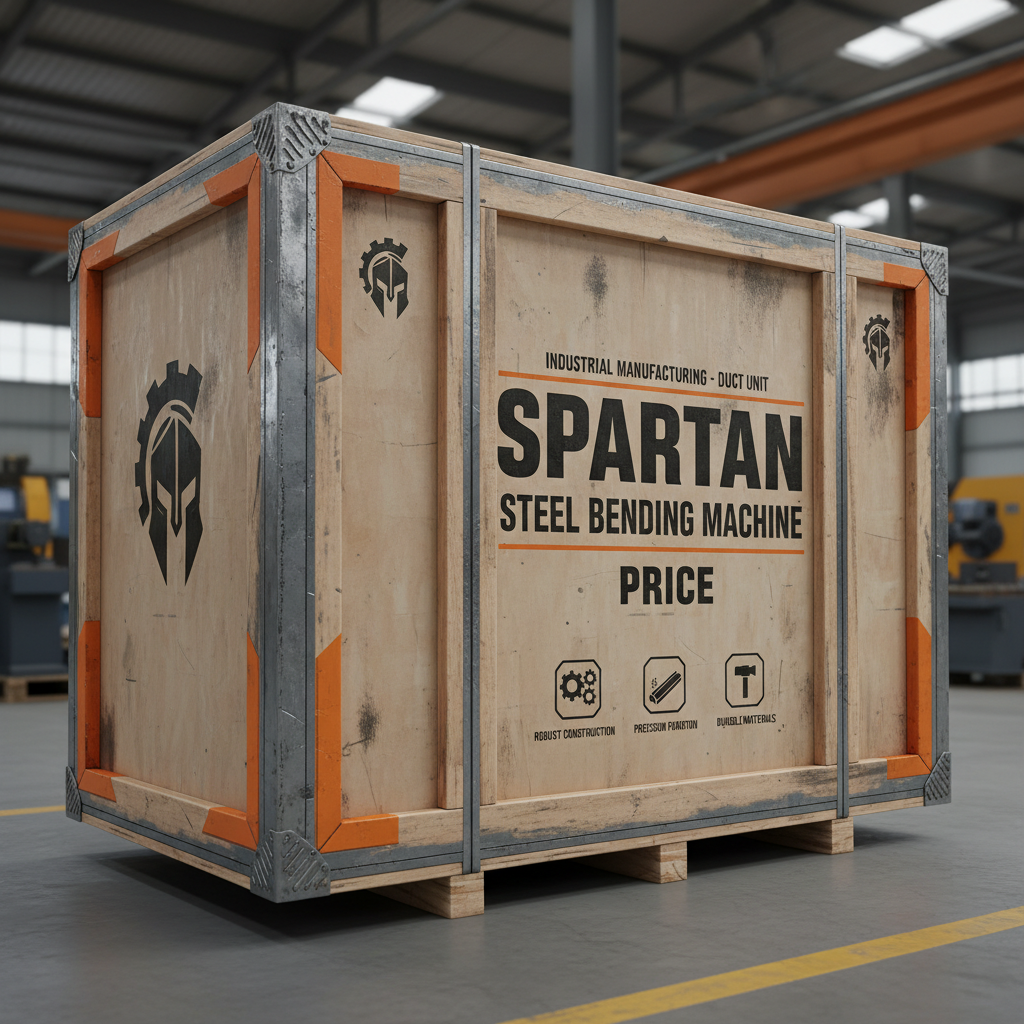
Factors Influencing the Spartan Steel Bending Machine Price
Several core variables determine the final quote for a steel bending system. First is the bending capacity; machines capable of handling thicker steel plates or longer workpieces require more robust frames and more powerful hydraulic systems, naturally increasing the cost. Second, the level of automation plays a huge role. A manual machine is more affordable, while a CNC-controlled system that offers precision programming and repeatability commands a premium. Additionally, the quality of materials used in the machine's construction—such as reinforced alloy steel—ensures longevity but affects the initial spartan steel bending machine price.
Price Driver Summary: Capacity (Thickness/Length), Control System (Manual vs. CNC), Hydraulic Power, and Optional Tooling Attachments.
Comparing Different Models and Their Cost Tiers
To better understand where your budget fits, it is helpful to categorize these machines into tiers. Entry-level models are ideal for small workshops focusing on light-gauge steel. Mid-range models offer a balance of power and electronic assistance, while high-end industrial models are designed for 24/7 heavy-duty operations. When analyzing the spartan steel bending machine price, consider the total cost of ownership, including maintenance and energy consumption, rather than just the sticker price.
Technical Specifications and Value Analysis
When evaluating the spartan steel bending machine price, you must look closely at the specifications to ensure you aren't paying for features you don't need, or missing critical capabilities. A high-quality machine should offer precise angle control, a rigid chassis to prevent deflection, and a user-friendly interface. Below is a detailed specification table for a standard industrial model to give you a baseline for comparison.
Operational Efficiency and Long-term ROI
While the upfront spartan steel bending machine price might seem like a significant expense, the long-term return on investment (ROI) is where the value truly lies. Machines with better precision reduce material waste (scrap), and faster cycle times increase the number of parts produced per hour. For companies handling high-volume orders, a more expensive, automated machine often pays for itself within months by reducing labor costs and eliminating human error.
Maintenance and After-Sales Support Costs
A common mistake buyers make is ignoring the cost of maintenance. When comparing the spartan steel bending machine price between different suppliers, check what is included in the warranty and the availability of spare parts. A cheaper machine that lacks a local service network or uses proprietary parts that are hard to source can become an expensive liability during a breakdown. Investing in a brand with a proven track record of support ensures that your downtime is minimized.
Maintenance Tips for Longevity:
• Regularly lubricate all moving joints and guide rails
• Monitor hydraulic oil levels and purity
• Calibrate CNC sensors every six months
• Inspect electrical connections for wear and tear
Choosing the Right Supplier for Your Budget
The final step in securing the best spartan steel bending machine price is selecting a supplier that understands your specific application. Not every shop needs a top-of-the-line CNC machine; sometimes a robust semi-automatic model is the perfect fit. Work with a supplier who provides a detailed needs analysis, offering a machine that fits your production volume and material requirements without overspending on unnecessary bells and whistles.
Conclusion: Maximizing Value in Steel Bending Equipment
Determining the ideal spartan steel bending machine price requires looking beyond the initial cost. By balancing capacity, automation, and long-term reliability, you can ensure your business remains competitive and productive. Whether you prioritize raw power or surgical precision, investing in a high-quality bending machine is a strategic move toward operational excellence. Choose a machine that grows with your business and provides the stability needed for high-precision metal fabrication.
Frequently Asked Questions (FAQs)
How do I get an accurate quote for a spartan steel bending machine?
To receive an accurate price, you need to provide a detailed specification sheet. This should include the maximum thickness of the steel you intend to bend, the maximum length of the sheets, the required bending angle accuracy, and whether you prefer a manual or CNC control system. Providing a sample drawing of the parts you intend to produce also helps the supplier recommend the most cost-effective model for your specific needs.
Is a CNC bending machine worth the extra price?
For most modern fabrication shops, the answer is yes. While the upfront cost is higher, CNC machines significantly reduce setup time, minimize human error, and allow for the reproduction of complex parts with extreme consistency. If your business handles a variety of different part designs or high-volume runs, the increase in productivity and reduction in scrap material will quickly offset the higher initial price of the CNC system.
What are the hidden costs associated with steel bending machines?
Beyond the base machine price, you should budget for shipping and rigging (these machines are extremely heavy), installation and commissioning by a professional technician, and operator training. Additionally, consider the cost of a tooling package; different bends require different dies and punches. Finally, annual maintenance costs for hydraulic fluid changes and software updates should be factored into your yearly operating budget.
How long does a professional steel bending machine typically last?
With proper maintenance and operation within the specified capacity, a high-quality steel bending machine can last 15 to 20 years or more. The structural frame is usually the most durable part. The components that wear out—such as hydraulic seals, valves, and electronic controllers—can be replaced during routine servicing. The key to longevity is never overloading the machine beyond its rated capacity and adhering to a strict lubrication schedule.
-
Analyzing the Spartan Bending Machine Price and Buyer GuideNewsApr.09,2026
-
Understanding Small Bending Machine Price and Choosing the Right OptionNewsApr.07,2026
-
Comprehensive Guide to Sheet Metal Bending Machine Price and SelectionNewsApr.04,2026
-
Comprehensive Guide to Roofing Sheet Bending Machine Price and SelectionNewsMar.31,2026
-
Comprehensive Guide to Profile Bending Machine Price and SelectionNewsMar.28,2026
-
Comprehensive Guide to Press Bending Machine Price and Purchasing ConsiderationsNewsMar.26,2026
-
Comprehensive Guide to Plate Bending Machine Price and Optimal SelectionNewsMar.24,2026
-
 Pneumatic Handle Welding MachineSep . 13, 2024
 -
 Fully Automatic Kaiping Production LineOct . 17, 2024
 -
 Fully Automatic Metal Bucket Lifting HeadphonesSep . 14, 2024